The Two Approaches to Tungsten Sharpening
Every TIG welder faces the same question: should you invest in a dedicated tungsten grinder or stick with manual sharpening on a bench grinder? Both methods can produce a usable point, but the differences in precision, consistency, and efficiency are significant.
In this article, we compare tungsten grinder sharpening versus manual grinding so you can decide which approach is right for your workflow.
Tungsten Grinder: The Professional Choice
Precision
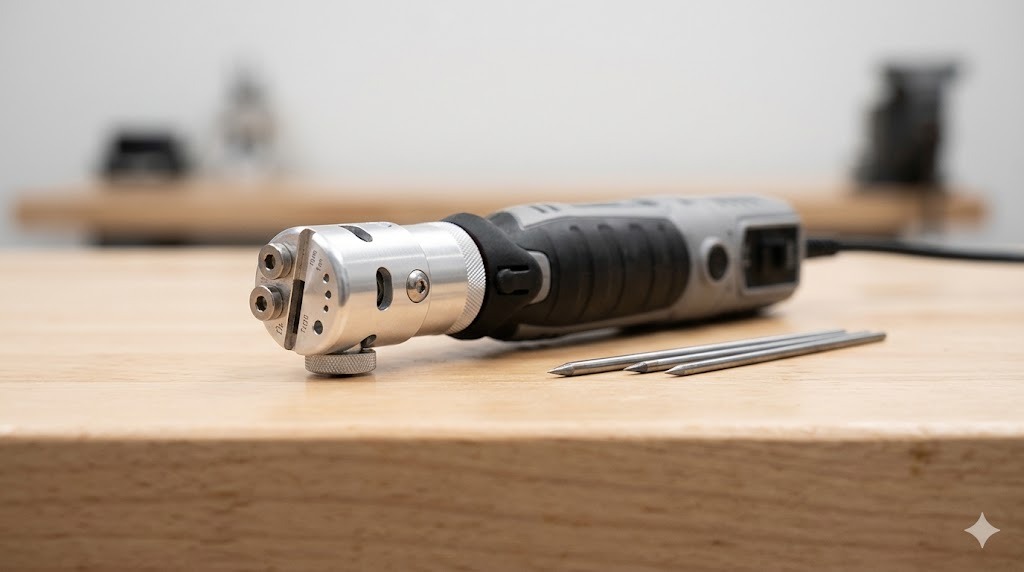
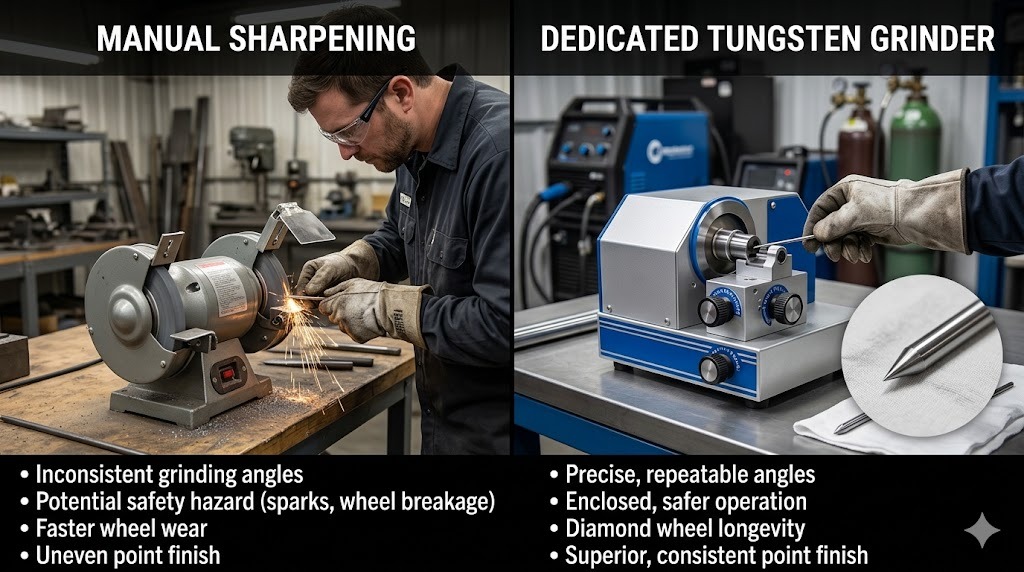
A tungsten grinder uses a guided mechanism to hold the electrode at a precise angle throughout the sharpening process. This ensures that every electrode is ground identically — something that is nearly impossible to achieve by hand. Consistent electrode geometry means a stable arc, better starts, and more uniform welds.
Speed
With a tungsten grinder, you can sharpen an electrode in seconds. Simply insert the tungsten, rotate, and you are done. No need to eyeball the angle or check your progress repeatedly.
Reduced Waste
Manual grinding often removes more material than necessary because of inconsistent pressure and angle. A tungsten grinder removes only what is needed, extending the life of each electrode and saving you money over time.
Safety
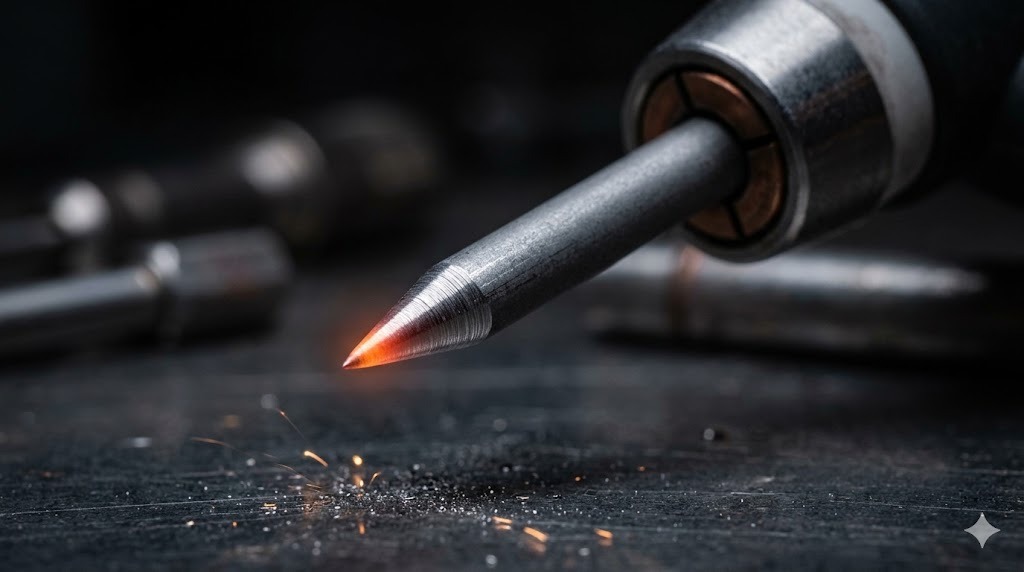
Grinding tungsten produces fine dust that can be hazardous if inhaled. Many tungsten grinders feature enclosed grinding chambers that contain the dust, keeping your workspace cleaner and safer.
Manual Sharpening: The Traditional Approach
Low Cost
The main advantage of manual sharpening is cost. If you already own a bench grinder, there is no additional expense. This makes it an accessible option for beginners or hobbyists who weld infrequently.
Flexibility
With manual grinding, you can freely adjust the angle as you go. Some experienced welders prefer this hands-on approach, feeling they have more control over the final shape of the electrode.
Drawbacks
Manual sharpening requires a steady hand and a good eye. Even experienced welders struggle to maintain a consistent angle across multiple electrodes. The results vary from one electrode to the next, leading to inconsistent arc performance. Manual grinding also produces more airborne dust and takes longer per electrode.
Comparison Table
| Factor | Tungsten Grinder | Manual Grinding |
|---|---|---|
| Precision | ✅ Consistent angles every time | ❌ Varies by skill and hand steadiness |
| Speed | ✅ Seconds per electrode | ❌ Takes practice and time |
| Material Waste | ✅ Minimal removal | ❌ Often removes too much |
| Safety | ✅ Enclosed, less dust exposure | ❌ Open grinding, more airborne dust |
| Cost | Initial investment required | No additional cost if you have a grinder |
Verdict
For professional welders and serious hobbyists, a tungsten grinder is the clear winner. The consistency, speed, and reduced waste quickly offset the initial investment. For occasional welders on a tight budget, manual sharpening can work — but upgrading to a tungsten grinder will noticeably improve your weld quality. Check out the Diduemen tungsten grinder for a reliable, precision-built option.